FREE GUIDE: 100 Figures They Didn't Teach You in School
Join 2,400+ readers • Download the free PDF →
On This Day: February 3rd in Black History
February 3rd in Black History
February 3rd holds special significance as the founding date of America's oldest civil rights organization.
Notable Events
1870 - The Fifteenth Amendment to the U.S. Constitution was ratified, granting African American men the right to vote. Though it would take nearly a century and the Voting Rights Act of 1965 to fully realize this promise, this was a watershed moment in American democracy.
1956 - Autherine Lucy became the first Black student to attend the University of Alabama. Her enrollment sparked violent riots, and she was expelled after just three days—not reinstated until 1988.
2013 - The U.S. Postal Service unveiled a Rosa Parks Forever Stamp on what would have been her 100th birthday.
Births on This Day
1894 - Norman Rockwell was born, but so was the less celebrated William Monroe Trotter, who was actually born in 1872 and became a pioneering newspaper editor and civil rights activist.
1907 - James Michener was born—his novel "Chesapeake" included powerful narratives about slavery in Maryland.
1947 - Paul Auster was born, but we also honor Frankie Lymon (1942), the teenage doo-wop sensation whose brief, tragic life influenced generations of musicians.
The NAACP's Founding
While the NAACP was formally incorporated on February 12, 1909, early February marks the period of its conception. The organization was founded in response to:
- The 1908 Springfield Race Riot in Illinois
- Ongoing lynchings across the South
- The need for a national organization to fight for civil rights
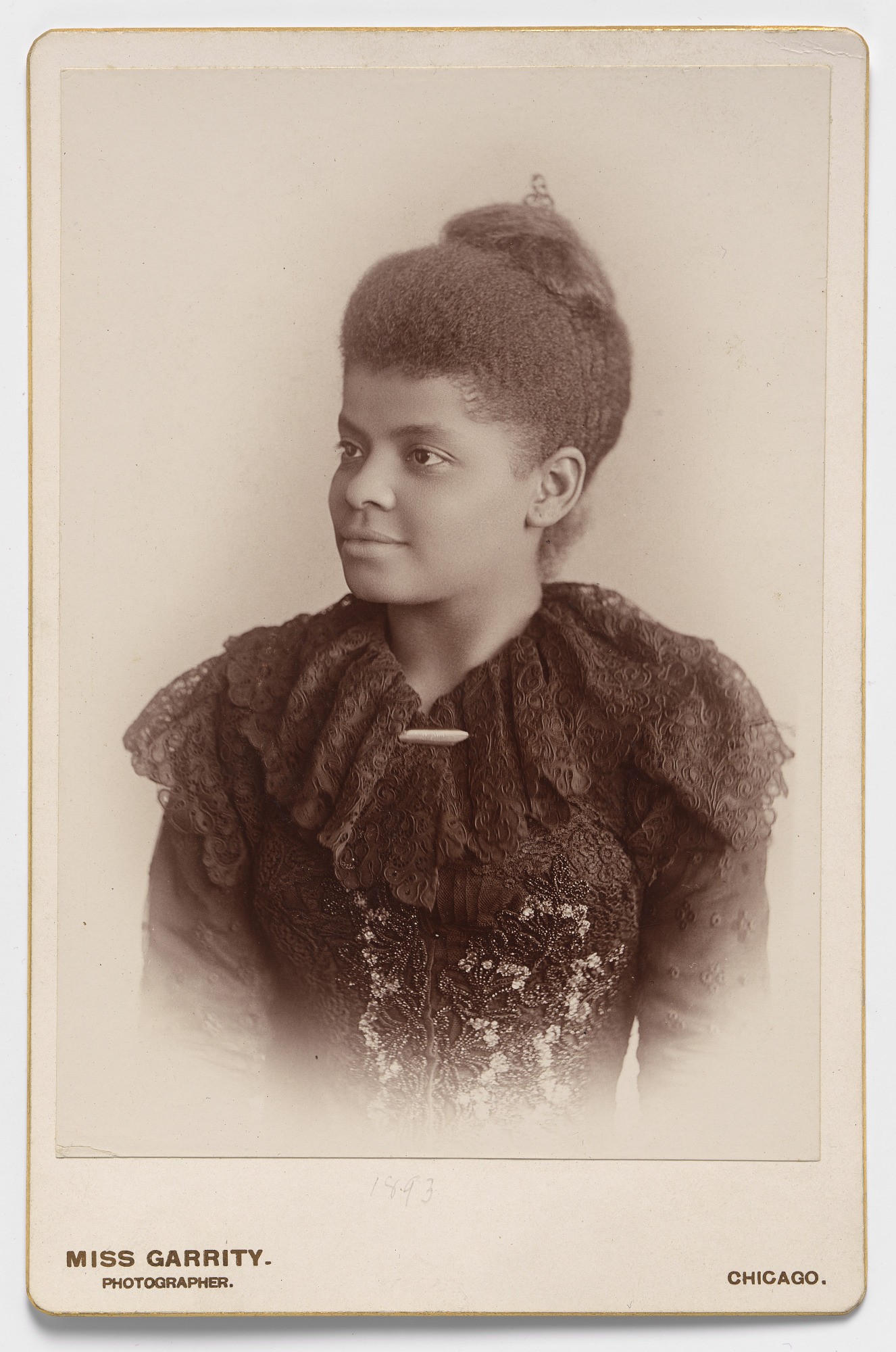
Founders included W.E.B. Du Bois, Ida B. Wells, and white progressives like Mary White Ovington. Today, the NAACP remains America's oldest and largest civil rights organization. Learn more about the Join the Movement to support ongoing civil rights efforts.
Did You Know?
On February 3, 1959—"The Day the Music Died"—the plane crash that killed Buddy Holly, Ritchie Valens, and the Big Bopper also profoundly impacted the careers of Black musicians like Chuck Berry and Little Richard, who had inspired all three.
Explore the legacy of civil rights leaders in our directory. Discover more Hidden Facts about Black history and culture. Stay updated with our Black History Calendar for important dates and events. Join the conversation and Participate in preserving Black history.
The Black Excellence Brief
One powerful story. One modern lesson. One Black-owned business to support. Every week.
No spam. Unsubscribe anytime.
Support Black-Owned Businesses
Discover and support incredible Black-owned businesses in our directory. Every purchase is an investment in the community.
Want more hidden history?
Download our free guide: 100 Black figures they didn't teach you in school