FREE GUIDE: 100 Figures They Didn't Teach You in School
Join 2,400+ readers • Download the free PDF →
Harriet Tubman: Conductor of the Underground Railroad
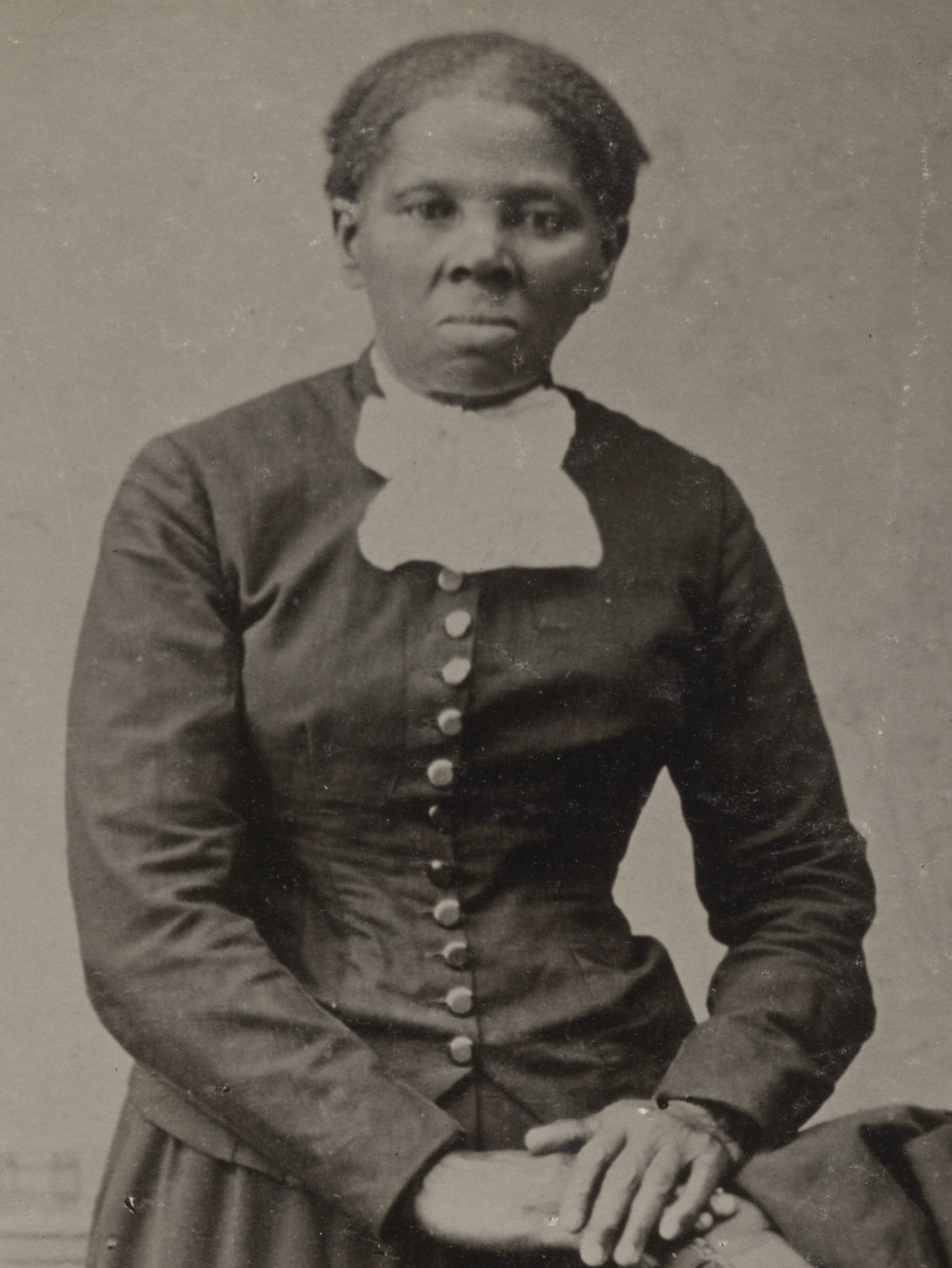
The Moses of Her People
Harriet Tubman, born Araminta Ross around 1822 in Dorchester County, Maryland, would become one of the most iconic figures in American history. Her courage, determination, and unwavering commitment to freedom made her a legend in her own time and an enduring symbol of resistance against oppression.
Early Life and Escape
Born into slavery, Tubman experienced brutal treatment from an early age. As a teenager, she suffered a severe head injury when an overseer threw a heavy metal weight at another enslaved person, hitting her instead. This injury caused lifelong seizures, headaches, and vivid dreams that she interpreted as divine visions.
In 1849, fearing she would be sold, Tubman made her daring escape to freedom. She traveled nearly 90 miles on foot, following the North Star to Pennsylvania—a free state.
"I had crossed the line. I was free; but there was no one to welcome me to the land of freedom. I was a stranger in a strange land."
The Underground Railroad
Rather than simply enjoying her newfound freedom, Tubman immediately began planning to help others escape. Over the next decade, she made approximately 13 missions back to the South, personally guiding around 70 enslaved people to freedom through a network of safe houses known as the Underground Railroad.
Her methods were meticulous:
- She typically traveled during winter when longer nights provided more cover
- She moved on Saturdays, knowing newspapers wouldn't publish runaway notices until Monday
- She carried a pistol, both for protection and to discourage any who wanted to turn back
- She used codes, songs, and signals to communicate
Tubman never lost a single passenger. Slaveholders offered rewards totaling $40,000 for her capture—an enormous sum at the time.
Civil War Hero
When the Civil War began, Tubman served the Union Army in multiple capacities:
- Nurse - Treating soldiers and freed slaves
- Scout - Her knowledge of Southern terrain proved invaluable
- Spy - Gathering intelligence behind enemy lines
- Military Commander - In 1863, she became the first woman to lead an armed assault during the war, guiding the Combahee River Raid that liberated over 700 enslaved people
Later Years and Legacy
After the war, Tubman settled in Auburn, New York, where she continued her activism. She:
- Worked with Susan B. Anthony for women's suffrage
- Established the Harriet Tubman Home for the Aged
- Spoke publicly about her experiences and the ongoing struggle for equality
Harriet Tubman died on March 10, 1913, at approximately 91 years old. Her last words were reportedly: "I go to prepare a place for you."
Honoring Her Memory
In 2016, the U.S. Treasury announced plans to place Tubman's image on the $20 bill, making her the first African American to appear on U.S. paper currency. Her face would replace Andrew Jackson, a slaveholder—a powerful symbol of how far the nation has come, and how much further it still needs to go.
Learn more about Harriet Tubman and other freedom fighters in our directory.
Discover more about the ongoing Movement Projects inspired by leaders like Tubman and find ways to Participate in continuing the fight for justice. For additional inspiring stories, visit our Black History Calendar to see important dates related to her legacy and others.
The Black Excellence Brief
One powerful story. One modern lesson. One Black-owned business to support. Every week.
No spam. Unsubscribe anytime.
Support Black-Owned Businesses
Discover and support incredible Black-owned businesses in our directory. Every purchase is an investment in the community.
Want more hidden history?
Download our free guide: 100 Black figures they didn't teach you in school