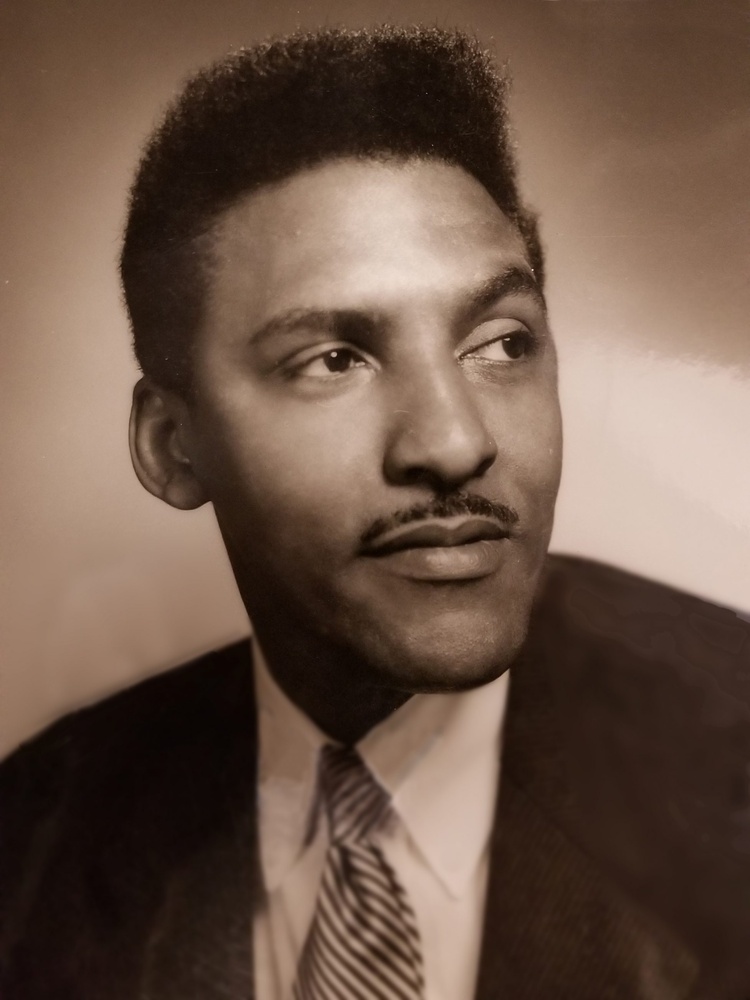
Bayard Rustin
Biography
Bayard Rustin was a seminal figure in the American civil rights movement, best known for his strategic brilliance and organizational skills that helped shape the nonviolent struggle for racial equality. Born in West Chester, Pennsylvania, Rustin was raised by his grandparents, who instilled in him strong values of pacifism and social justice. Early in his life, he was deeply influenced by the teachings of Gandhi and the Quaker faith, which guided his lifelong commitment to nonviolent resistance. Despite facing discrimination both for his race and his sexuality, Rustin remained a determined and effective advocate for civil rights. Throughout the 1940s and 1950s, Rustin worked with various civil rights organizations, including the Fellowship of Reconciliation and the Congress of Racial Equality (CORE). He was instrumental in promoting nonviolent protest tactics and helped organize the 1947 Journey of Reconciliation, a precursor to the Freedom Rides. Rustin's most notable contribution was his role as the chief organizer of the 1963 March on Washington for Jobs and Freedom, where Dr. Martin Luther King Jr. delivered his iconic "I Have a Dream" speech. Despite his critical contributions, Rustin often remained behind the scenes due to political and social stigmas, including his open homosexuality. In addition to civil rights, Rustin was a vocal advocate for labor rights, economic justice, and global human rights. He advised political leaders, including President Lyndon B. Johnson, and continued activism well into the 1970s and 1980s, focusing on issues such as nuclear disarmament and gay rights. Rustin's legacy is one of unwavering dedication to justice, strategic nonviolence, and intersectional activism that bridged race, sexuality, and class struggles. His work laid the groundwork for future civil rights advancements and remains influential in social justice movements today.
Key Achievements
- 1
Chief organizer of the 1963 March on Washington for Jobs and Freedom
- 2
Pioneered nonviolent protest strategies in the American civil rights movement
- 3
Helped coordinate the 1947 Journey of Reconciliation, the first interstate bus protest against segregation
- 4
Advised civil rights leaders and U.S. presidents on racial justice and social policy
- 5
Advocated for LGBTQ+ rights alongside racial equality during a time of widespread discrimination
Birth Date
March 17, 1912
Death Date
August 24, 1987
Source / Reference
Bayard Rustin's papers at the Library of Congress; 'Bayard Rustin: The Man Behind the March on Washington' by John D'Emilio; The King Center archives; National Archives records on civil rights movement