The Founding of Hampton Institute: A Beacon of Black Educational Empowerment Hidden in Mainstream Narratives
Original Creator/Source
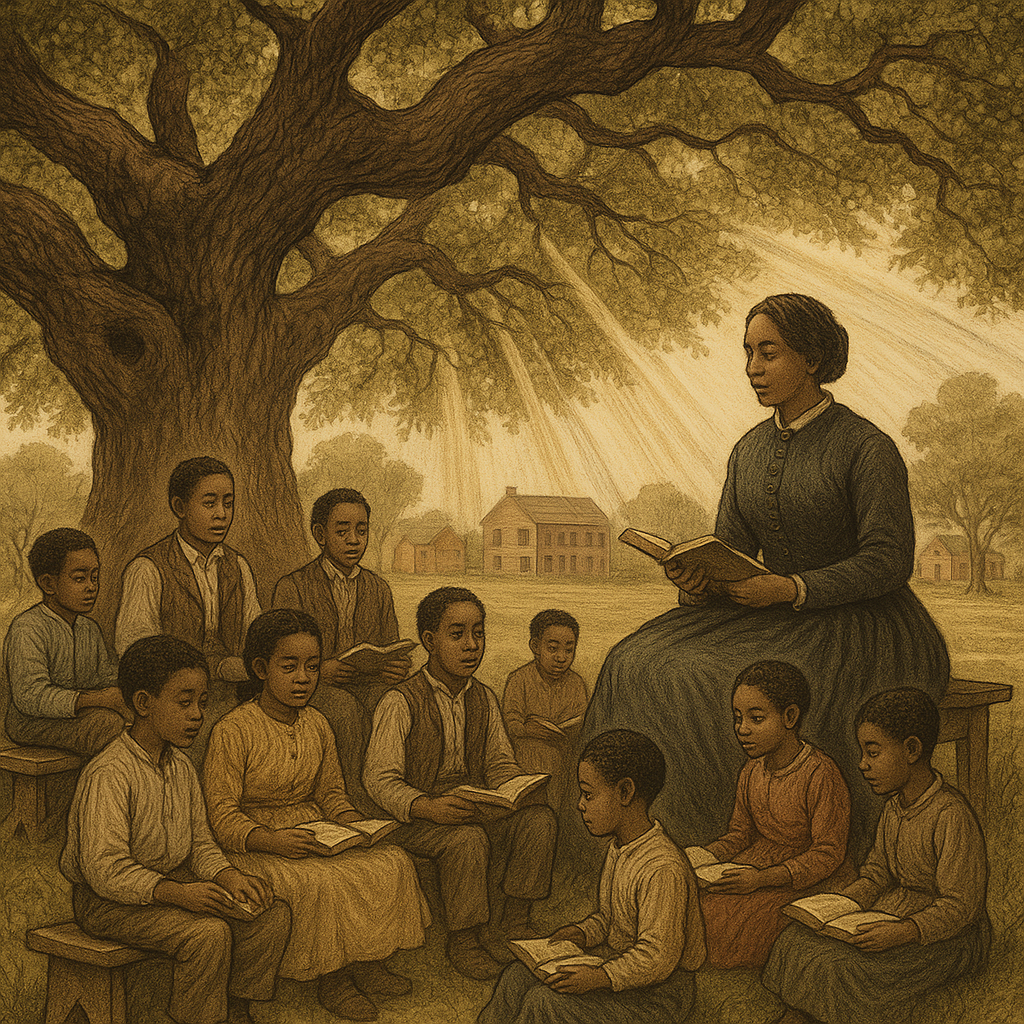
Black freedmen and educators, notably Mary S. Peake and the Black community in Hampton, Virginia
Wrongly Credited To
Primarily white philanthropists and administrators who later led the institution
Time Period
19th Century
Region
Americas
The Full Story
The Hampton Institute, founded on April 1, 1868, in Hampton, Virginia, stands as a pivotal institution in Black educational history, yet its origins are often overshadowed by narratives that emphasize white leadership and philanthropy. The school was established to educate newly freed African Americans and Native Americans during Reconstruction, a critical period when Black people sought to reclaim knowledge and agency after centuries of enslavement. While the institution was formally organized with the support of white philanthropists, the foundational impetus, early teaching efforts, and local support came largely from Black freedmen and women, including Mary S. Peake, a formerly enslaved Black educator who began teaching Black children under the Emancipation Oak before the school's official founding. This erasure of Black agency in Hampton Institute’s founding reflects a broader pattern of minimizing Black contributions in the establishment of educational and cultural institutions during Reconstruction. The emphasis on white figures as the primary founders obscures the grassroots Black leadership and community effort that made the school possible. Hampton Institute became a model for Black education, influencing schools across the South and producing notable graduates such as Booker T. Washington, who would further shape Black education and leadership. Recognizing the Black origins and leadership behind Hampton Institute is crucial for understanding the resilience and self-determination of Black communities in the post-Civil War era. It challenges reductive historical narratives and restores rightful credit to those who fought for and built educational opportunities against overwhelming odds. This acknowledgment also enriches the legacy of Black education and highlights the importance of community-driven change in American history.
Evidence & Sources
- Hampton University official archives and historical records
- Historical accounts of Mary S. Peake and the Emancipation Oak
- Scholarly works on Reconstruction era Black education, such as James D. Anderson's 'The Education of Blacks in the South, 1860-1935'
Additional Reference
Hampton University Archives; Anderson, James D. The Education of Blacks in the South, 1860-1935 (Chapel Hill: University of North Carolina Press, 1988)