The Founding of Morehouse College: A Testament to Black Self-Determination and Educational Empowerment
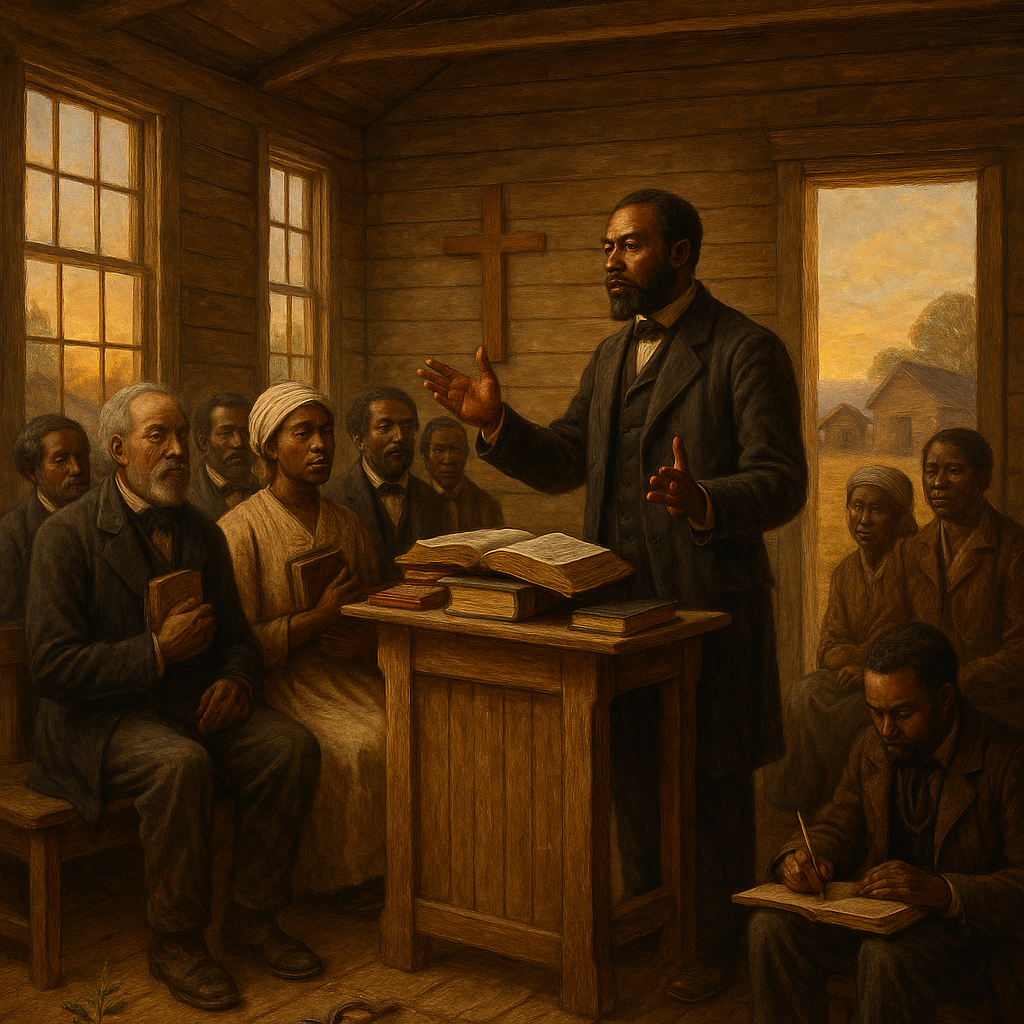
Original Creator/Source
Black Baptist leaders and freedmen in Atlanta, Georgia, including Reverend William Jefferson White
Wrongly Credited To
Narratives that attribute its founding primarily to white missionary societies or external philanthropists
Time Period
19th Century
Region
Americas
The Full Story
Morehouse College was founded on February 14, 1867, originally named the Augusta Institute before relocating to Atlanta and adopting its current name. This institution was established by Black Baptist leaders and freedmen in the immediate aftermath of the Civil War, during the Reconstruction era, as a direct response to the urgent need for educational opportunities for newly emancipated African Americans. While often overshadowed by the involvement of white missionary groups like the American Baptist Home Mission Society, the critical agency, vision, and leadership of Black founders such as Reverend William Jefferson White have been underrepresented or minimized in mainstream historical accounts. The college became a living symbol of Black self-determination and the pursuit of higher education against systemic racism and segregation. Its establishment was not merely an act of charity from white benefactors but a deliberate and strategic effort by Black communities to build institutions that would nurture Black leadership, scholarship, and empowerment. This hidden history challenges dominant narratives that either erase or dilute Black contributions to the founding of such key educational institutions. Recognizing this narrative matters because it honors the resilience and visionary leadership of African Americans during Reconstruction, a period often mischaracterized as one driven solely by white-led initiatives. Morehouse College’s legacy as a historically Black college is rooted in Black intellectual and organizational power, making it a pillar of cultural pride and a beacon for Black educational advancement. Acknowledging the true founders restores historical accuracy and inspires future generations to appreciate the depth of Black historical contributions to American society.
Evidence & Sources
- Morehouse College official historical archives
- James D. Anderson, 'The Education of Blacks in the South, 1860-1935'
- William J. Simmons, 'Men of Mark: Eminent, Progressive and Rising'
Additional Reference
Morehouse College Founders' Records and early meeting minutes archived at Morehouse College Library